

Mold can present significant health risks and structural problems in homes, making effective remediation crucial. Understanding the protocols behind professional mold remediation in Los Angeles helps you ensure a safe environment. This article walks through the essential steps in mold inspection, the removal techniques professionals use, and the strategies that prevent mold's return. You'll learn how to identify mold, the safety measures required during removal, and how insurance supports remediation costs.
What Are the Key Steps in Professional Mold Inspection and Testing?
Mold inspection and testing identify the presence and extent of mold growth in a property. The process begins with recognizing signs of water damage: professionals assess moisture-prone areas, perform visual inspections, and use specialized equipment such as moisture meters to detect hidden mold. Because mold always follows moisture, unresolved water damage is the first thing a good inspector looks for.
How Do Mold Inspection Companies Identify Black Mold and Other Mold Types?
Inspection companies use several methods to identify different types of mold:
- Visual Inspections: Assessing visible signs such as discoloration or odor.
- Laboratory Testing: Sending samples to labs for definitive identification.
- Species Knowledge: Black mold (Stachybotrys chartarum), among others, requires specific testing methods.
These techniques ensure all mold types are accurately identified and categorized.
What Tools and Techniques Ensure Accurate Mold Testing?
Effective mold testing relies on several tools and techniques:
- Air Sampling: Collecting air samples to analyze mold spore levels.
- Surface Testing: Swab tests to identify mold present on surfaces.
- Expert Interpretation: Reading results correctly requires expertise to determine mold levels and types.
With these tools, inspection teams build a comprehensive picture of mold presence — the foundation of effective remediation.
How Are Safe Mold Removal Techniques Implemented by Experts?
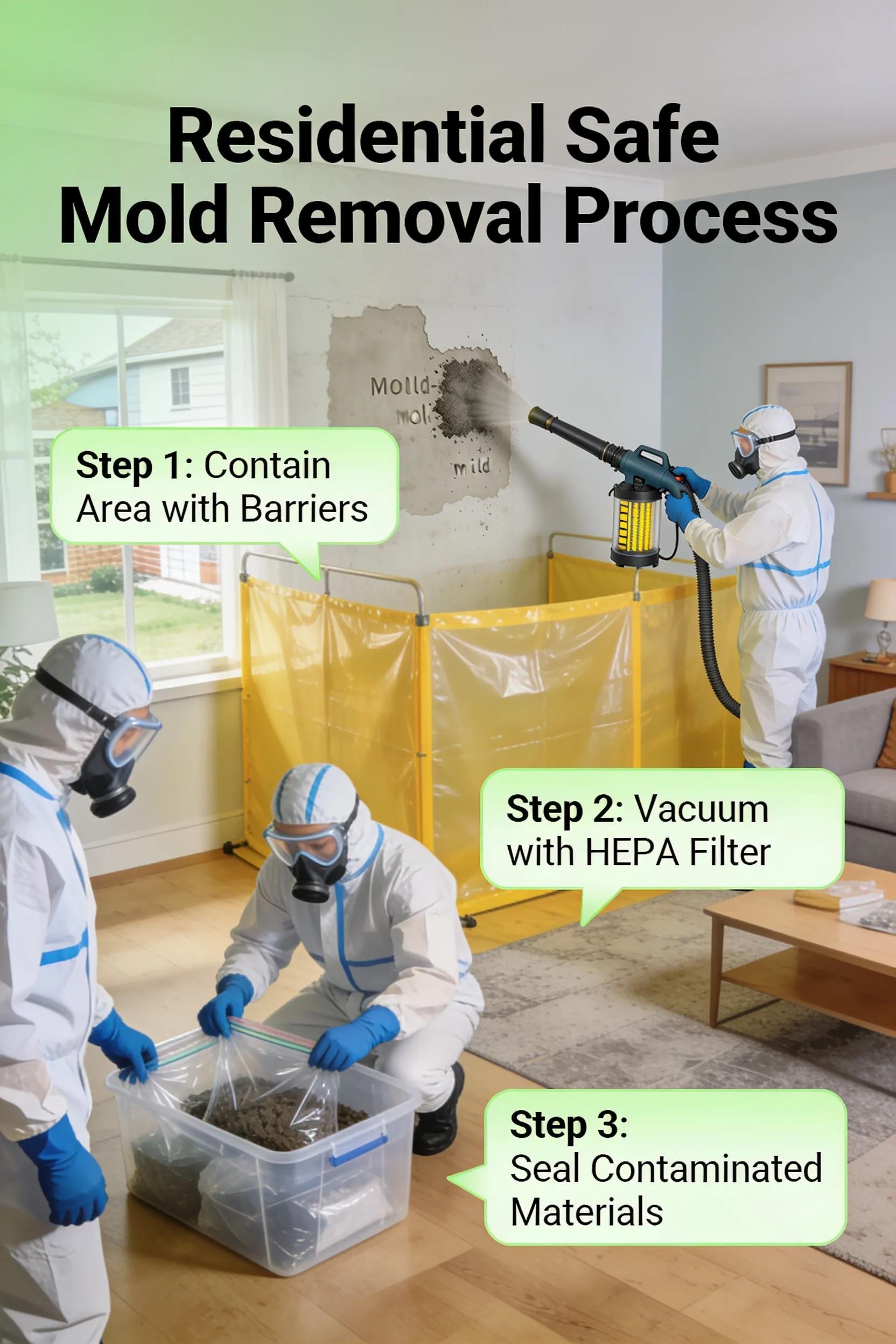
Safe removal techniques ensure remediation doesn't make the problem worse. Professionals follow strict protocols to eliminate mold while protecting the health of homeowners and technicians — starting with thorough containment to prevent spores from scattering.
What Are the Step-by-Step Procedures for Safe Black Mold Removal?
- Personal Protective Equipment (PPE): Technicians wear PPE to protect themselves from mold spores.
- Containment: Barriers isolate affected areas and prevent spread.
- Regulated Disposal: Contaminated materials are discarded safely per regulations.
Following these steps keeps the removal operation controlled and effective.
Which Safety Protocols Protect Homeowners and Technicians During Mold Removal?
- Ventilation: Keeping the area well-ventilated reduces exposure to airborne spores.
- Emergency Procedures: Clear protocols exist for unexpected exposure or mold resurgence.
- Post-Removal Checks: Evaluations after removal confirm areas are mold-free.
How Can Mold Prevention Solutions Stop Mold From Returning After Remediation?
Preventing mold's return is essential for long-term health. That means addressing the moisture sources that let mold thrive in the first place.
What Post-Remediation Maintenance Practices Are Recommended for Los Angeles Homes?
- Regular Inspections: Periodically check for leaks and signs of moisture accumulation.
- Moisture Monitoring: Track indoor humidity levels with simple monitors.
- Seasonal Maintenance: Keep gutters clear and landscaping graded to direct water away from the foundation.
These practices form a proactive, year-round defense against mold.
Which Products and Techniques Help Maintain Mold-Free Indoor Air Quality?
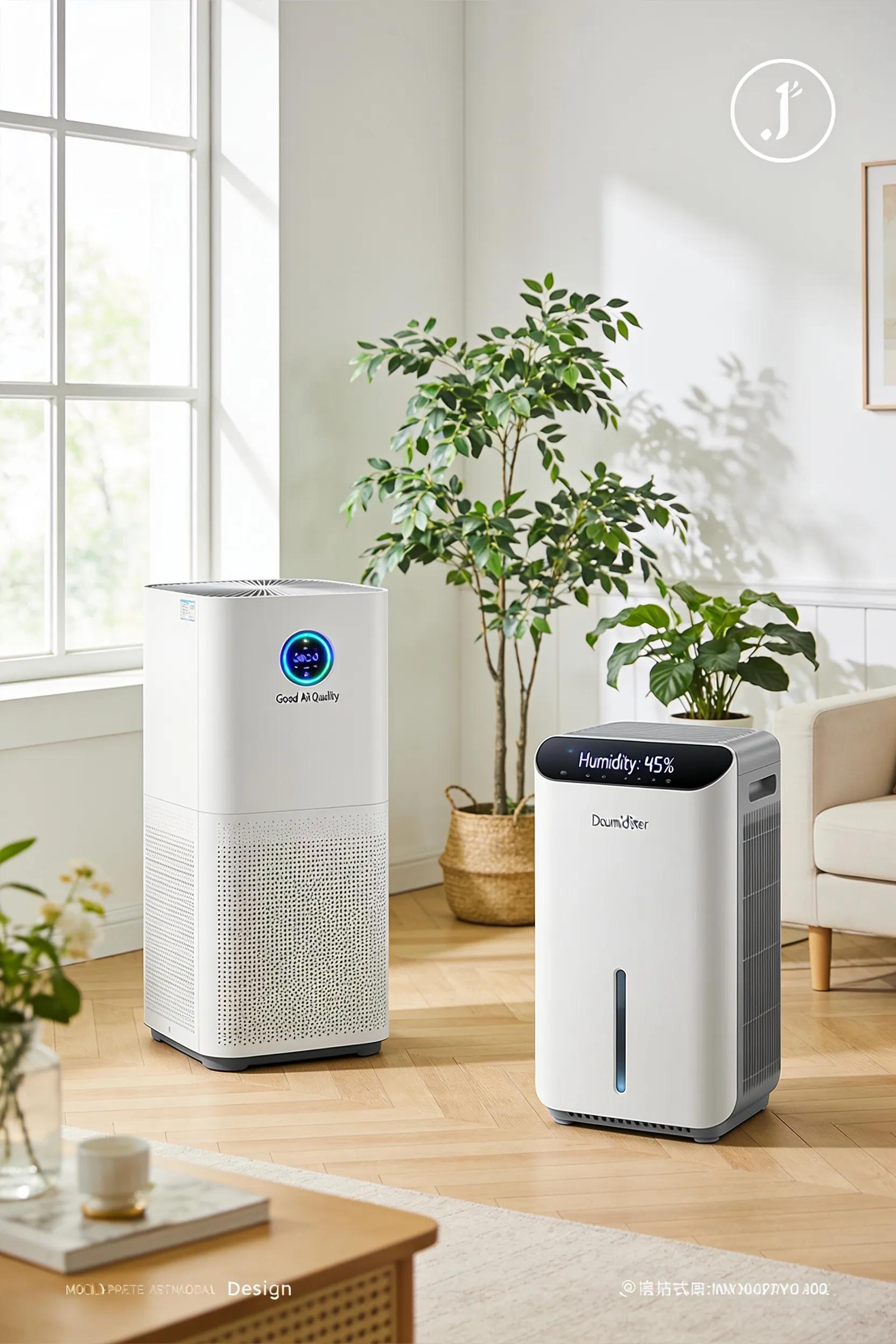
- Air Purifiers: HEPA filters capture airborne spores.
- Dehumidifiers: Regulating humidity denies mold the moisture it needs.
- Cleaning Practices: Regularly clean high-risk areas with mold-inhibiting solutions.
Combined, these create a healthier living environment.
How Do Insurance Claims and Emergency Mold Remediation Services Support Property Owners?
Insurance plays a vital role in managing remediation costs after damage occurs. Knowing how to navigate claims eases the financial burden.
What Is the Process for Starting Mold Damage Insurance Claims in Los Angeles?
- Documentation: Collect evidence of mold damage and prior inspections.
- Timeliness: Report damage promptly to expedite the claims process.
- Notify the Right Parties: Keep your insurer and remediation professionals informed throughout.
Following these steps streamlines claims and speeds up resolution. Endswell Restoration documents every job thoroughly so your insurer has exactly what it needs.
When Should Property Owners Request Emergency Mold Removal Assistance?
- Urgent Signs: Rapid mold growth or strong, persistent odors.
- Understand the Risk: Delayed remediation compounds both damage and health exposure.
- Know Who to Call: Having a trusted professional on speed dial saves valuable time in an emergency.
Immediate action prevents extensive damage and the health risks of prolonged mold exposure.
Common Questions About Professional Mold Remediation
How Long Does Mold Remediation Take and How Much Does It Cost?
Duration varies with the extent of the problem — typically 1 to 3 days for smaller jobs, while larger infestations can take up to a few weeks. Costs depend on size and severity, often ranging from $500 to $6,000, covering inspection, removal, and repairs. The only way to know your actual number is an on-site assessment with a written, itemized scope.
Can Mold Really Come Back After Professional Removal — and How Is It Prevented?
Yes, mold can return if preventive measures aren't maintained. The usual culprits are unresolved moisture problems and lapsed post-remediation practices. Proper moisture control and regular inspections significantly reduce the chance of recurrence.
If you're facing mold anywhere in the region, Endswell Restoration provides certified mold remediation in Los Angeles, Burbank, Glendale, Pasadena, Santa Monica, and West Hollywood — full containment, safe removal, moisture-source documentation, and insurance documentation. Call (800) 351-8009 for a free, no-obligation assessment.