

Mold can flourish in any environment with high moisture, and it poses significant health and property risks. Understanding the mold remediation process is crucial for homeowners and businesses in Burbank — a proactive approach that helps maintain a safe, healthy space. This guide explores the essentials of mold remediation in Burbank: why it matters, the mold types common to the area, effective inspection and testing, and the step-by-step process experts use. We'll also cover how to navigate insurance claims and when emergency mold removal is warranted.
What Is Mold Remediation and Why Is It Essential in Burbank?
Mold remediation is the process of identifying, removing, and preventing mold growth in residential and commercial properties. Given Burbank's climate, which can foster mold growth, understanding this process is essential to protecting health and property. Mold can cause extensive damage and lead to health issues, particularly respiratory problems, making prompt remediation vital.
Remediation focuses not only on removing visible mold but also on the underlying moisture that fueled it. This proactive approach ensures safe indoor environments and helps maintain property value. Understanding the details empowers property owners to act promptly.
What Are the Common Types of Mold Found in Burbank Homes and Businesses?
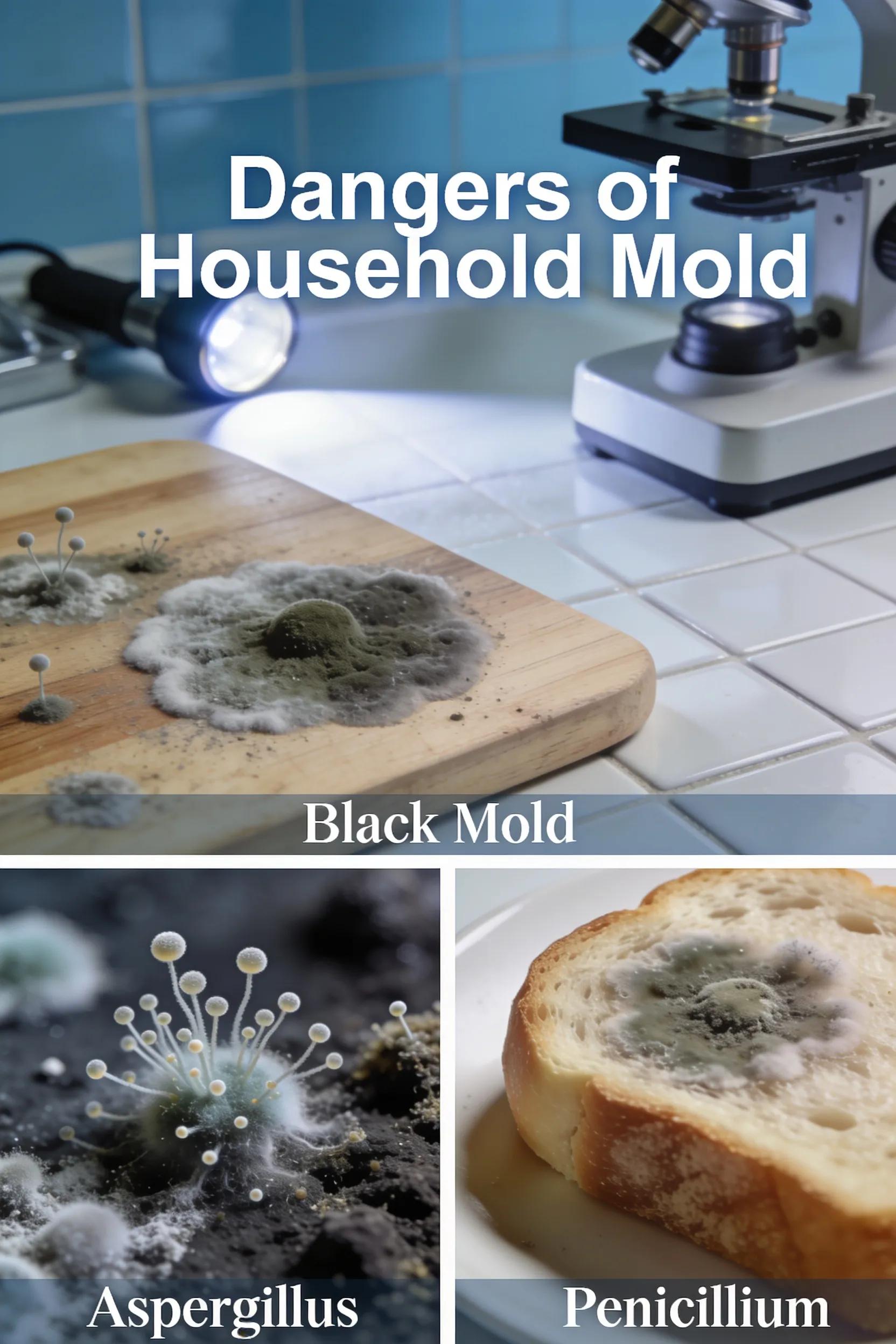
Burbank homes and businesses often encounter several mold types, including black mold (Stachybotrys chartarum), notorious for its toxicity. Other common molds include:
- Aspergillus: Frequently found in homes; can cause allergies and respiratory issues.
- Penicillium: Known for its blue-green spores; can damage building materials.
- Cladosporium: Often found outdoors but grows indoors in damp areas, leading to allergic reactions.
Knowing the types and their health implications helps property owners take informed action on prevention and remediation.
How Does Mold Exposure Affect Health and Property Safety?
Exposure to mold can have significant health repercussions, especially for individuals with asthma, allergies, or compromised immune systems. Symptoms include:
- Respiratory Issues: Coughing, wheezing, or shortness of breath.
- Allergic Reactions: Itchy eyes, skin rashes, and nasal congestion.
- Long-term Effects: Prolonged exposure can lead to more severe problems, including chronic lung conditions.
Beyond health, mold deteriorates property structures, leading to costly repairs. Timely intervention and proper remediation are essential to mitigate these risks.
How Is Professional Mold Inspection and Testing Conducted in Burbank?
Professional mold inspection and testing are critical to identifying the extent of contamination and any hidden mold. Qualified inspectors use specialized tools and techniques to assess properties effectively.
What Is the Typical Mold Inspection Cost and What Does It Include?
A mold inspection in Burbank typically ranges from $300 to $500, depending on property size and complexity. A typical inspection includes a visual assessment, moisture readings, and air-quality testing to identify mold presence and moisture sources.
How Does Mold Testing Differ from Mold Removal?
Mold testing analyzes air and surface samples to determine the type and concentration of mold present. Mold removal is the physical process of eliminating mold colonies and fixing the moisture issues that allowed the mold to thrive. Both are essential to a safe environment, but they serve different purposes in the overall strategy.
What Are the Step-by-Step Mold Remediation Processes Used by Burbank Experts?
The mold remediation process typically involves several key steps to ensure safe, effective removal.
- Assessment: A thorough inspection evaluates mold presence and moisture levels.
- Containment: The area is contained to prevent spores from spreading during removal.
- Filtration: Air filtration devices capture airborne spores.
- Removal of Contaminated Materials: Mold-infested materials, such as drywall or carpet, are removed and disposed of properly.
- Cleaning and Disinfection: Surfaces are cleaned and disinfected to eliminate remaining spores.
- Moisture Control: Addressing the moisture source is critical to prevent future growth.
How Are Mold Containment and Removal Safely Performed?
Safe containment and removal involve specific protocols, including personal protective equipment (PPE) and proper disposal of contaminated materials. Professionals use containment barriers and negative-air-pressure systems to keep spores contained throughout removal.
What Prevention Measures Protect Against Future Mold Growth?
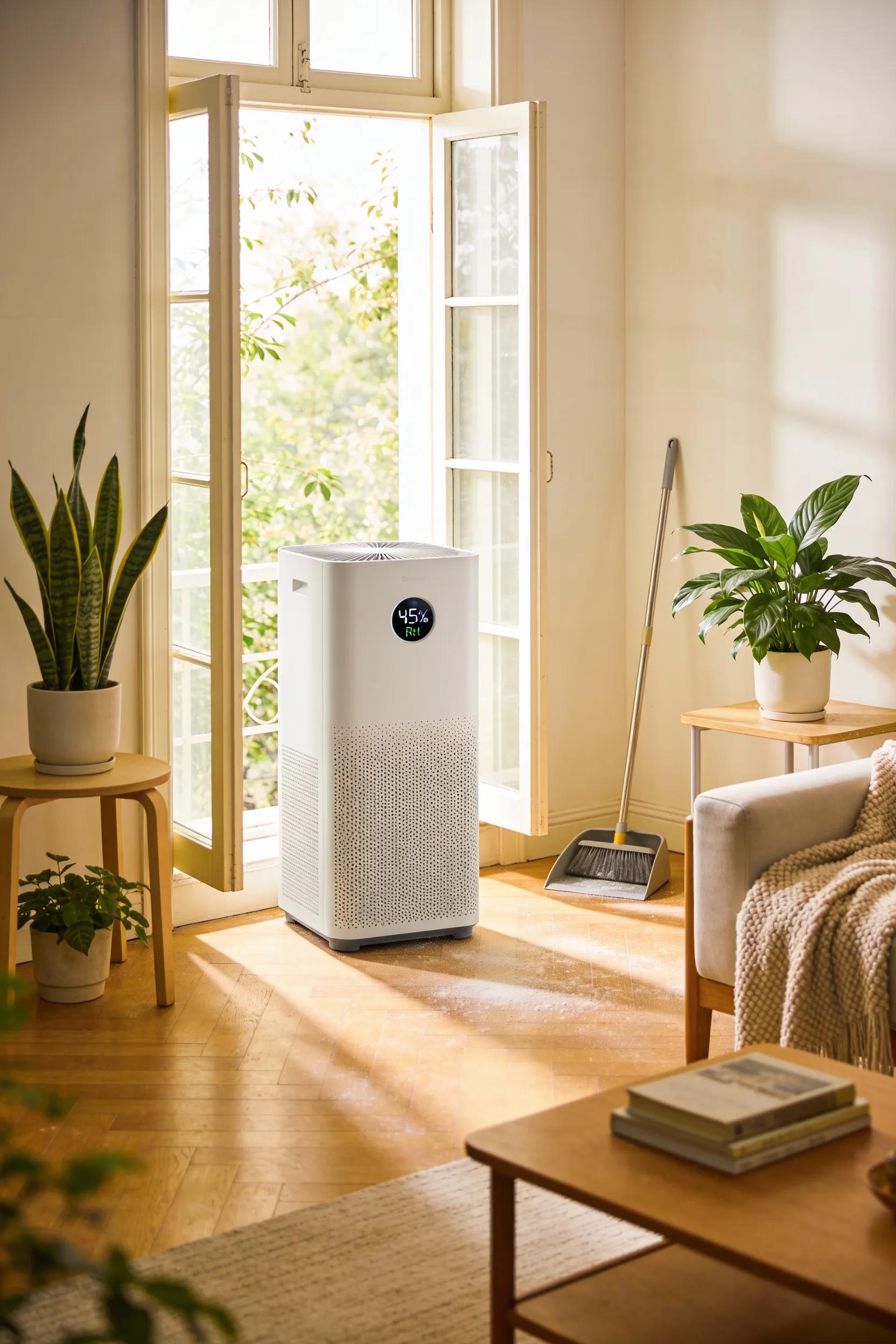
To prevent future mold growth, inspect regularly for leaks, keep indoor humidity low, and ensure adequate ventilation. Additional measures include:
- Using Dehumidifiers: To maintain optimal moisture levels.
- Regular Cleaning: Especially in damp areas like basements and bathrooms.
- Prompt Repairs: Address any water damage immediately to prevent mold colonization.
How Can Homeowners and Businesses Navigate Insurance Claims for Mold Damage in Burbank?
Navigating insurance claims for mold damage can be complex, but understanding the process eases the burden. Many policies may cover mold remediation under specific circumstances, particularly when it results from a covered peril like sudden water damage.
What Steps Does Endswell Restoration Take to Assist With Insurance Claims?
Endswell Restoration assists clients by documenting the mold inspection process and providing necessary evidence of damage. We guide property owners through the claims process, ensuring all required documentation is submitted correctly.
Which Documentation Is Necessary for Successful Mold Damage Claims?
To file a successful mold damage claim, property owners typically need:
- Photos of Damage: Evidence of mold presence and related damage.
- Inspection Reports: Professional assessments outlining the extent of contamination.
- Repair Estimates: Detailed accounts of remediation and repair costs.
Comprehensive documentation streamlines the claims process and improves the chances of a favorable outcome.
When Is Emergency Mold Removal Needed and How Does Endswell Respond 24/7?
Emergency mold removal may be necessary when mold growth poses immediate health risks or is driven by ongoing water damage. A quick response can prevent extensive damage and health complications. When mold is tied to an active leak or flood, fast water damage repair in Burbank is just as urgent as the mold work itself.
What Are the Signs That Mold Requires Immediate Professional Intervention?
Seek immediate help for mold remediation if you notice:
- Visible Mold Growth: Particularly in high-moisture areas.
- Musty Odors: Persistent smells may indicate hidden mold.
- Health Symptoms: New respiratory issues or allergic reactions among occupants.
How Does the Emergency Mold Removal Process Minimize Health Risks and Property Loss?
Endswell Restoration deploys trained professionals to execute emergency mold removal efficiently. Our rapid-response team assesses the situation, implements containment, and begins removal to minimize health risks and property damage.
What Are Effective Tips to Prevent Mold Growth After Water Damage in Burbank Properties?
Preventing mold growth after water damage is crucial for a healthy environment. Timely, effective measures greatly reduce the risk of mold proliferation.
How Does Timely Water Damage Restoration Contribute to Mold Prevention?
Timely restoration after water damage helps mitigate mold by drying affected areas and promptly addressing moisture. Engaging professional restoration services ensures comprehensive drying and dehumidification.
Which Maintenance Practices Keep Mold Risk Low Year-Round?
Regular maintenance plays a vital role in minimizing mold risk. Consider the following:
- Routine Inspections: Check for leaks and moisture accumulation regularly.
- Ventilation: Ensure proper airflow in attics, basements, and bathrooms.
- Humidity Control: Use dehumidifiers and air conditioning to keep indoor humidity below 60%.
These practices help prevent mold and support overall property health.
Common Mold Types at a Glance
Different mold types pose different challenges, so understanding them sharpens your remediation strategy:
| Mold Type | Health Risks | Common Locations |
|---|---|---|
| Black Mold | Severe respiratory issues, allergies | Basements, bathrooms |
| Aspergillus | Allergic reactions, respiratory problems | Indoor air, building materials |
| Cladosporium | Skin irritation, respiratory concerns | Damp corners, outdoor spaces |
Identifying and addressing specific mold types effectively is what keeps occupants healthy and safe.
If you're dealing with mold in Burbank, Endswell Restoration provides certified mold remediation in Burbank, plus Los Angeles, Glendale, Pasadena, Santa Monica, and West Hollywood. Our team contains the affected area, removes contaminated materials safely, fixes the moisture source, and documents everything for your insurer. Call (800) 351-8009 for a free, no-obligation assessment.