

Water damage doesn't wait — and neither should you. Whether it's a burst pipe at midnight or a roof leak after a winter storm, the restoration company you call first can make or break your recovery. This guide covers everything you need to find the best water damage restoration company in Los Angeles: what causes damage in the first place, why fast emergency response matters, and how to navigate the insurance claims process with confidence. In a city where the weather can turn without warning, being prepared — and knowing who to trust — makes all the difference.
Key Takeaways
- Heavy rainfall, aging plumbing, roof leaks, and burst pipes are the most common causes of water damage in Los Angeles homes — and early identification is key to preventing major losses.
- Emergency response within the first hour is critical: water left unattended for 24–48 hours can cause structural damage and trigger rapid mold growth.
- The best water damage restoration companies in Los Angeles hold IICRC certification, carry full insurance, and have a track record of positive reviews and documented case studies.
- Mold remediation requires professional-grade containment and HEPA filtration — DIY removal risks spreading spores and worsening the hazard.
- Most standard homeowner's policies cover sudden water damage; thorough documentation and a knowledgeable restoration team can significantly smooth the claims process.
- Water extraction and drying typically costs $3.75–$7.00 per square foot, while mold remediation adds $15–$30 per square foot — detailed estimates upfront help avoid surprises.
What Are the Common Causes of Water Damage in Los Angeles Homes?
Water damage can sneak up on you from more directions than most homeowners expect. Knowing where the risks come from is your first line of defense — and in Los Angeles, both the climate and the age of local housing stock create a uniquely challenging environment.
How Do Climate and Weather Impact Water Damage Risks in Los Angeles?
Los Angeles may be known for its sunshine, but the rainy season tells a different story. Winter storms — especially during El Niño years — can deliver heavy, concentrated rainfall that overwhelms older drainage systems and sends water rushing into homes that were never designed to handle that volume. Add in aging urban infrastructure and rapid development across the basin, and you have a city where water damage risk is higher than most residents realize. Staying ahead of it starts with knowing your property's vulnerabilities.
Which Typical Household Issues Lead to Water Damage?
Some of the most destructive water damage starts with something small — a slow drip under the sink, a hairline crack in a pipe, a roof flashing that's been loose one season too long. Burst pipes and failing plumbing are among the top culprits, and because they often go undetected inside walls or ceilings, the damage is usually well underway before you notice it. Roof leaks and poorly sealed windows let water in every time it rains. Staying on top of routine maintenance is one of the best investments you can make in your home's long-term health.
Why Is Emergency Water Damage Service Critical in Los Angeles?
When water damage strikes, every hour counts. The longer water sits — soaking into drywall, warping subfloors, saturating insulation — the more expensive and complex your recovery becomes. Emergency services exist precisely for this reason: to get eyes on the damage fast, stop the spread, and start remediation before mold takes hold or structural integrity is compromised.
Catastrophic response and disaster recovery: Natural disasters and man-made failures cause damage to buildings and their contents, disrupting people's lives, businesses, and the communities they live in. On a worldwide scale, billions of dollars are spent to mitigate, restore, and recover — whether from a one-time residential incident, a single large-loss site, or an area-wide catastrophe.
What Steps Are Involved in Emergency Water Extraction and Restoration?
A professional emergency response follows a clear, proven sequence — and that structure is what separates effective restoration from a patchwork fix. The team starts with a thorough damage assessment to map exactly what's been affected and how deeply. From there, high-powered extraction equipment pulls standing water out fast. Then comes the drying phase: industrial dehumidifiers and air movers work around the clock to remove moisture from walls, floors, and structural cavities. Once everything is dry and clean, repairs begin to bring your property back to its pre-damage condition. Each step is deliberate — because skipping any one of them is how long-term problems start.
When Should You Call Emergency Water Damage Services in LA?
Don't wait to see how bad it gets — if you're noticing standing water, sudden humidity that wasn't there before, buckling floors, water stains spreading across a ceiling, or any visible mold, it's time to call immediately. The difference between catching damage early and letting it sit even a day or two can mean thousands of dollars in additional repairs. When in doubt, call. A professional assessment costs far less than the damage that accumulates while you wait.
How to Evaluate the Best Water Damage Company in Los Angeles
Not all restoration companies are equal — and when your home or business is on the line, who you hire matters enormously. The right company brings certified expertise, transparent communication, and the kind of track record that gives you confidence from the very first call. Here's what to look for.
What Credentials and Certifications Should a Water Damage Company Have?
When you're vetting a restoration company, credentials aren't a formality — they're your assurance that the team working in your home knows exactly what they're doing. Look specifically for IICRC certification, the gold standard in the restoration industry, which confirms the company follows rigorous, up-to-date methods. Verify they carry full liability insurance and workers' compensation, so you're fully protected if anything goes wrong on-site.
How Do Reviews, Testimonials, and Case Studies Influence Your Choice?
Real customer experiences tell you more than any sales pitch. Look for companies with consistently high ratings, and take the time to read what past clients actually say — not just the star count. Case studies showing before-and-after restorations on similar properties are especially valuable: they demonstrate the company can handle your specific type of damage, not just the easy jobs.
What Are the Key Considerations in Mold Remediation After Water Damage?
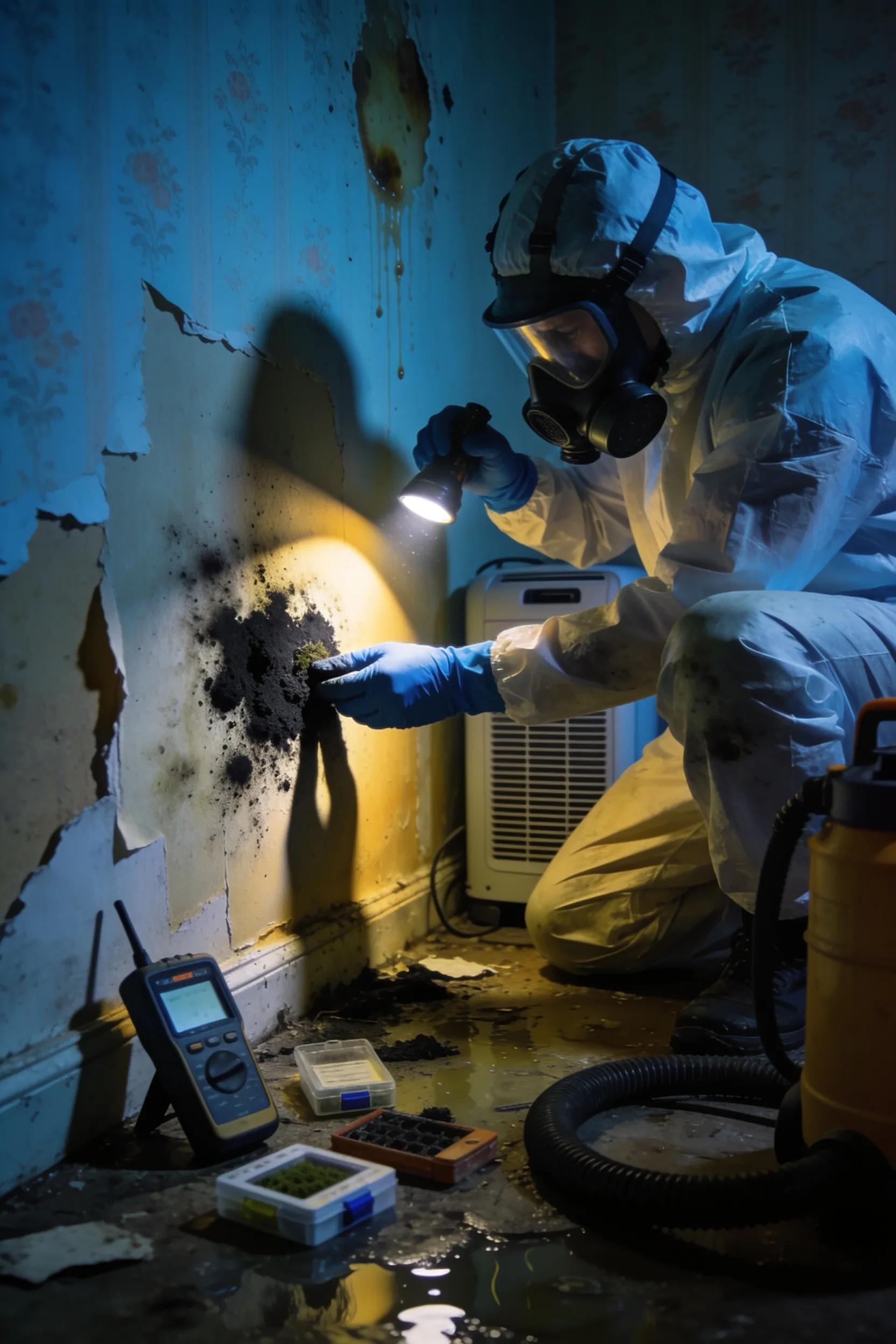
Mold doesn't give you much time. After water damage, it can begin taking hold within 24–48 hours — and in Los Angeles's warm climate, that window can be even shorter. Getting mold remediation right the first time is critical, both for your property and for the health of everyone inside.
Why Is Professional Mold Remediation Critical After Water Damage?
Mold is more than an aesthetic problem — it's a genuine health hazard, linked to respiratory issues, allergic reactions, and long-term air-quality damage. The instinct to handle it yourself is understandable, but DIY removal almost always makes things worse: disturbing mold without proper containment releases spores into the air, spreading the problem to areas that weren't originally affected. Certified professionals use specialized equipment and proven protocols to contain, eliminate, and verify removal — so you're not dealing with a recurring problem months later.
How Do Restoration Companies Handle Mold Removal in Los Angeles?
Professional mold removal in Los Angeles follows a structured, methodical process. It starts with a thorough assessment to determine how far the mold has spread and what's driving the moisture behind it. Containment barriers go up immediately to prevent spores from migrating to clean areas. From there, certified technicians use EPA-approved treatments and removal techniques, followed by HEPA filtration to restore clean air quality throughout the property. The goal isn't just to remove what's visible — it's to eliminate the conditions that allowed mold to grow in the first place.
How Does the Water Damage Insurance Claim Process Work in Los Angeles?
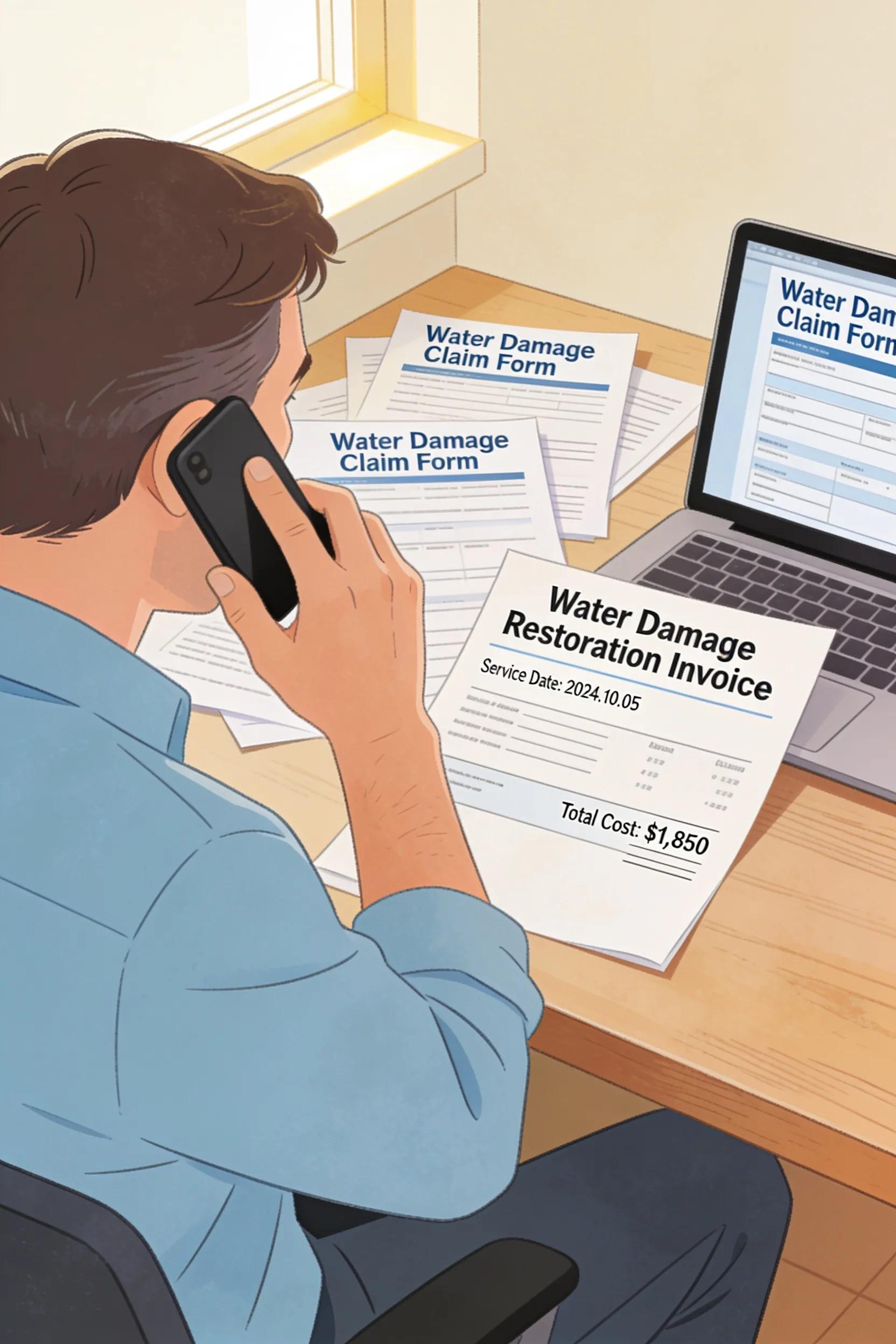
Dealing with insurance on top of a water damage emergency can feel overwhelming — but understanding how the claims process works puts you in a much stronger position. The steps are largely consistent across policies, and the right restoration partner can take a significant portion of that burden off your plate.
What Are the First Steps to Start Your Water Damage Insurance Claim?
Start documenting the moment you discover the damage — clear photographs, video walkthroughs, and detailed written notes about what you're seeing and when. The more thorough your documentation, the stronger your claim. From there, contact your insurance agent right away to report the incident and get the process moving. Prompt, clear communication with your provider from the outset helps avoid delays and sets the right expectations on both sides.
How Can a Water Damage Company Assist with Insurance Claim Support?
A good restoration company does far more than fix the physical damage — they become a key part of your claims process. Experienced teams help you document everything the adjuster needs, make sure paperwork is filled out correctly, and communicate directly with your insurer to keep things moving. Having professionals in your corner means fewer gaps in documentation, fewer back-and-forth delays, and a better shot at the full coverage you're entitled to.
What Should You Know About Costs and Pricing for Water Damage Repair in Los Angeles?
Water damage repairs can add up quickly, and knowing what to expect before you get a quote puts you in a far better position to make smart decisions. Costs vary with the extent of the damage, but understanding the main pricing factors helps you evaluate estimates clearly. For a deeper breakdown, see our guide to water damage restoration cost in Los Angeles.
How Are Water Damage Restoration Costs Calculated?
Restoration pricing is driven by several variables: how severe the damage is, how many square feet are affected, and what materials — flooring, drywall, structural framing — need to be dried, treated, or replaced. Reputable companies assess the full scope before they start and provide a detailed, itemized estimate so you know exactly what you're paying for and why. That transparency upfront is a good sign you're dealing with a trustworthy team.
What Are Typical Price Ranges for Emergency Water Damage Services in LA?
Pricing for emergency water damage restoration in Los Angeles typically varies with the intensity of the damage and the services rendered. Most companies charge between $3.75 and $7.00 per square foot for water extraction and drying. Mold remediation can add $15–$30 per square foot to the overall cost. Request detailed estimates and compare services to ensure fair pricing.
| Service | Description | Cost |
|---|---|---|
| Water Extraction | Initial extraction of standing water | $3.75 – $7.00/sq ft |
| Drying Services | Industrial drying equipment used following extraction | $2.00 – $5.00/sq ft |
| Mold Remediation | Safe removal of mold from affected areas | $15.00 – $30.00/sq ft |
This breakdown gives you a clear starting point — use it as a reference when comparing estimates from different companies to make sure you're getting fair, competitive pricing.
Frequently Asked Questions
How quickly should I call a water damage restoration company after a flood or leak?
Call as soon as possible — ideally within the first hour. Water spreads rapidly and seeps into walls, floors, and insulation, leading to structural damage and mold growth within 24–48 hours. The faster a professional team responds, the more damage can be prevented and the lower your overall repair costs are likely to be.
Does homeowner's insurance typically cover water damage restoration in Los Angeles?
Most standard policies cover sudden and accidental water damage, such as burst pipes or appliance failures, but generally exclude damage from flooding or long-term neglect. Review your specific policy and contact your provider immediately after an incident. A reputable restoration company can help you document the damage and support the claims process to maximize coverage.
How long does the water damage restoration process take?
The timeline varies with the severity and extent of the damage. Minor water damage may be resolved in as little as 3–5 days, while extensive damage involving structural drying, mold remediation, or major repairs can take 1–2 weeks or longer. Your restoration team should provide a detailed assessment and estimated timeline after inspection.
What certifications should I look for when hiring a water damage company in Los Angeles?
Look for companies certified by the Institute of Inspection, Cleaning and Restoration Certification (IICRC), which sets the industry standard. Also verify the company is fully licensed and insured to operate in California. These credentials strongly indicate the team follows safe, proven methods and holds itself to a high standard.
Can water damage lead to mold, and how soon can mold start to grow?
Yes — mold can begin to grow within 24 to 48 hours of water exposure if the moisture isn't properly addressed. In Los Angeles's consistently warm climate, it can develop even faster. That's why professional drying and dehumidification are critical. If mold is already present, certified professionals use containment protocols and HEPA filtration to remove it safely without spreading spores.
Conclusion
Choosing the best water damage restoration company in Los Angeles means evaluating credentials like IICRC certification, response speed, mold remediation capability, and insurance-claim support — all of which directly determine the quality of your recovery. Whether the source is a burst pipe, roof leak, or storm-driven flooding, acting within the first hour limits structural damage, prevents mold growth, and keeps costs in check. Endswell Restoration provides IICRC-certified water damage restoration in Los Angeles, Glendale, Burbank, Pasadena, Santa Monica, and West Hollywood, with direct insurance support and mold remediation from start to finish. Call (800) 351-8009 for a free, no-obligation assessment.